
The following article by Alex Penk, first appears appeared on Maxim Institute’s website
and is republished here with permission.
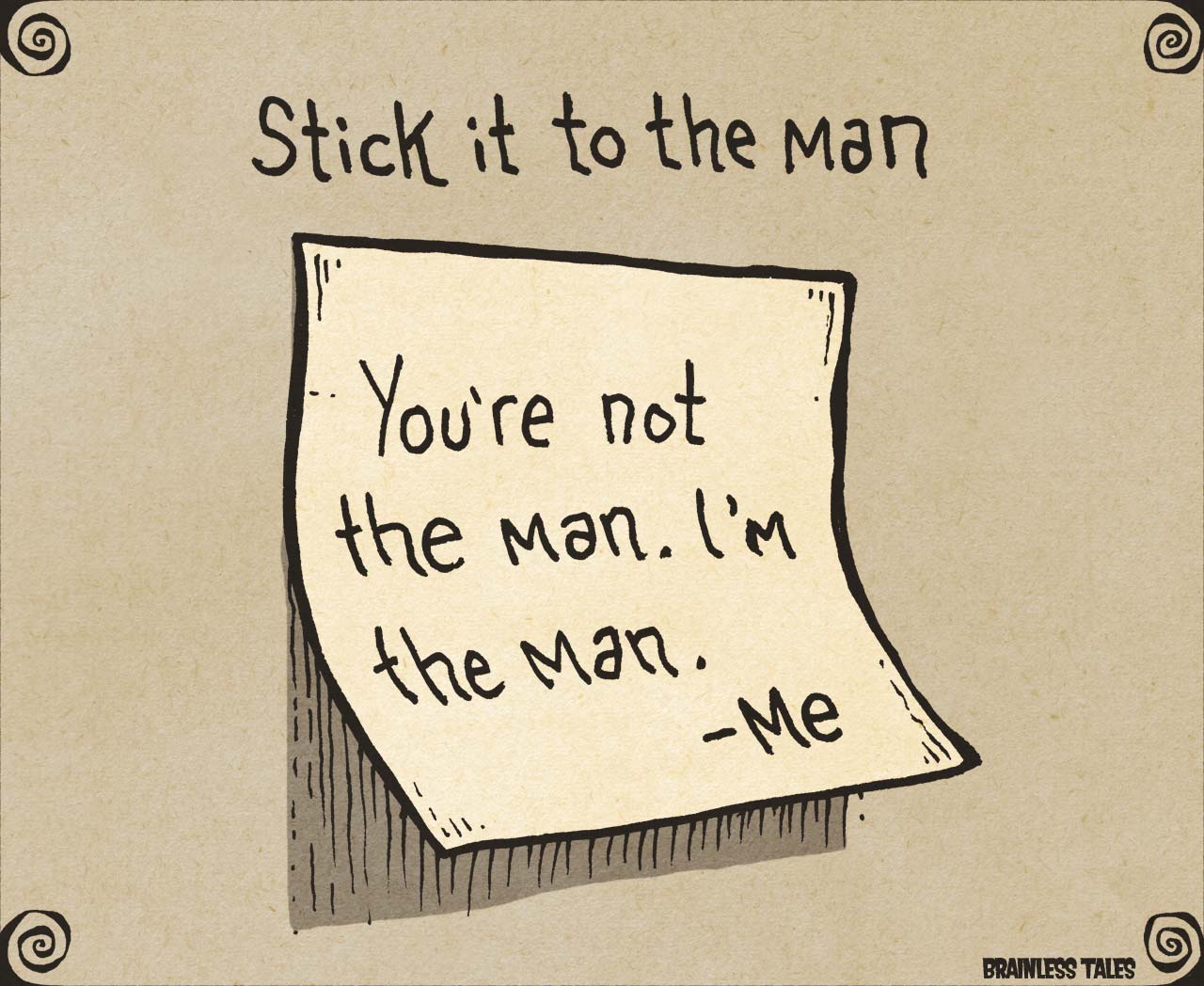
Rage against the machine. Stick it to the man. If you’re not for us, you’re against us. They’re familiar sayings, and sometimes comforting ones, especially when our nation is in the thick of debate about issues that really fire people up—euthanasia, cannabis, and most recently, abortion. But while it’s right to feel passionate about these issues, it’s also possible to go too far. In fact, there are signs that we already have. So it’s time to make a—hopefully not too earnest—plea for civility.
Rage against the machine. Stick it to the man. If you’re not for us, you’re against us.
Let me give a couple of examples of the problem. Recently the Labour MP Kieran McAnulty tweeted that he’d been called a Nazi, a liar, a prick, and a bastard after he’d announced that he would support the Abortion Legislation Bill. The Abortion Law Reform Association has a page titled “Email Your Rage!”, urging people to email MPs about reform. There’s even a button to “Blast Them All!” by sending one email to all MPs. But while engaging in abuse and fostering rage might provide a short-term high, they do a lot of long-term damage and they’re wrong—if you want proof, just look at America under President Trump. The antidote is what legal philosopher Jeremy Waldron has called the “chilly virtue” of civility.

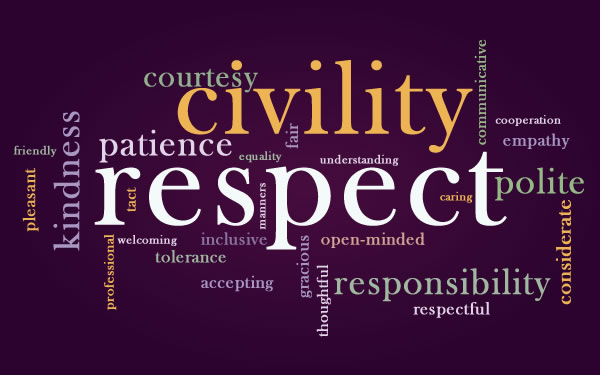
He says that civility involves respect for others, even and especially for people you disagree with deeply. It’s a “chilly virtue” because it’s about “formality,” not feelings. It means being committed to certain rules of engagement, binding ourselves to a procedure for dispute resolution, and accepting the outcome because we know we’ll never reach consensus on these issues. Like all virtues, it has to be practised to become part of who we are.
Civility involves respect for others, even and especially for people you disagree with deeply.
Practising it means striving, as Waldron has also said, for a society where “everyone tries to answer the best, not the worst, that can be made of their opponents’ positions,” and “consider that they might be mistaken and to imagine at any rate what it must be like to hold another view”. It means recognising that the “other side” aren’t monsters, they’re people like us with competing views of what’s good and right, and competing judgments about how to prioritise the goods we do agree on.
So, for example, if you oppose euthanasia, you should recognise that supporters genuinely believe we need this practice to prevent needless suffering and to uphold freedom of choice. If you support euthanasia, you should recognise that opponents are genuinely concerned that it would create a risk of wrongful death, especially for the most vulnerable. To return to Waldron, it means recognising that people we disagree with might be our opponents, but they are not our enemies.
So we should contest these big, divisive issues, and all the others that politics brings our way. We should argue vigorously for our view, and that the other side is wrong, and debate the facts. But we can’t afford to stoop to abuse or rage. We have to be better than that. After all, we still have to live together when these debates are over.
Alex Penk leads the work and mission of Maxim Institute, representing their work in public, and speaking and writing about public leadership – a topic he studied during his time as a Visiting Fellow at the McDonald Centre at Oxford University in Trinity Term 2016. His previous study includes a Master of Laws from Cambridge University and degrees in law and science from the University of Auckland.
Maxim Institute is an independent think tank, working to promote the dignity of every person in New Zealand, by standing for freedom, justice, and compassion.







0 Comments